Crochet Hook Sizes and Yarn Weights Explained (With a Chart)
A practical guide to crochet hook sizes, US letters vs millimeters, yarn weights 0 to 7, and how to match the right hook to your yarn for any project.
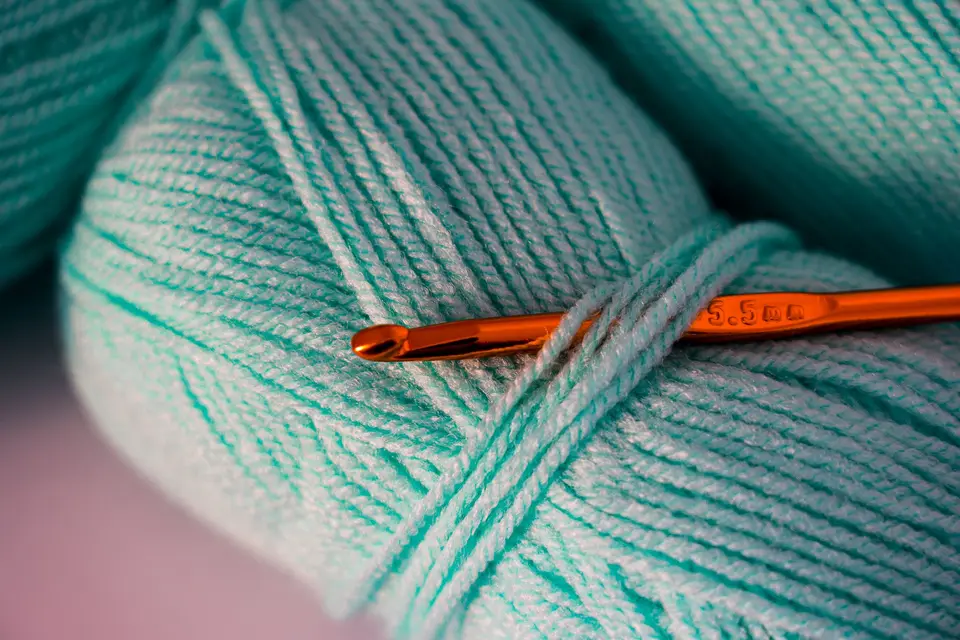
Hook sizes and yarn weights represent the first hurdle for every new crocheter. Patterns reference “H-8” or “5 mm” interchangeably, yarn labels feature numbered yarn ball symbols, and finding the right combination can feel daunting.
The underlying rule is simple: thicker yarn requires a larger hook. Understanding this relationship ensures your stitches form correctly and your projects match their intended dimensions. For foundational guidance before you start, read our how to crochet for beginners guide, or browse our easy crochet projects for beginners when you are ready to make your first piece.
How crochet hooks are sized
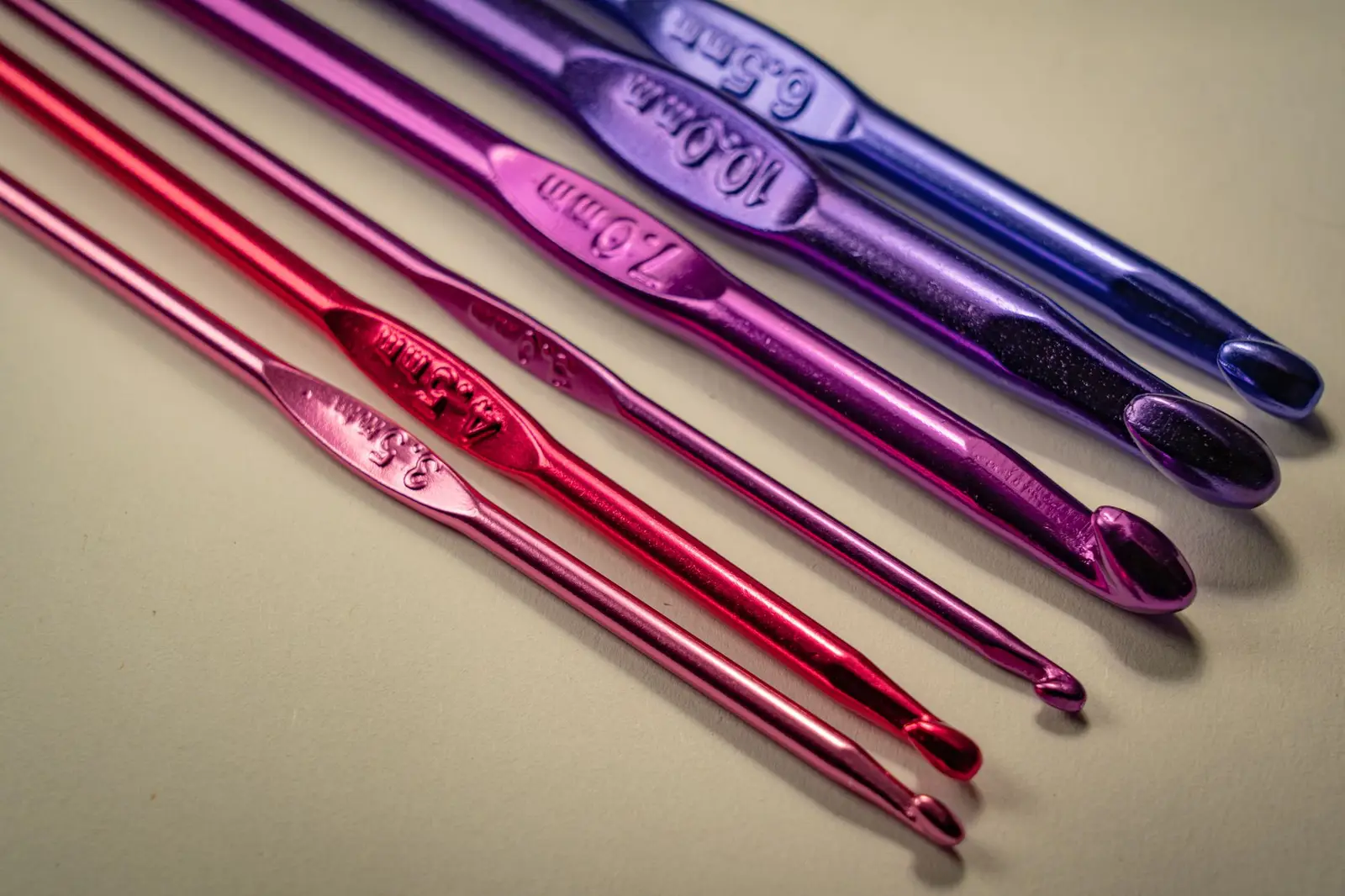
Every hook displays a specific measurement on its handle or thumb rest. Two systems dominate the market:
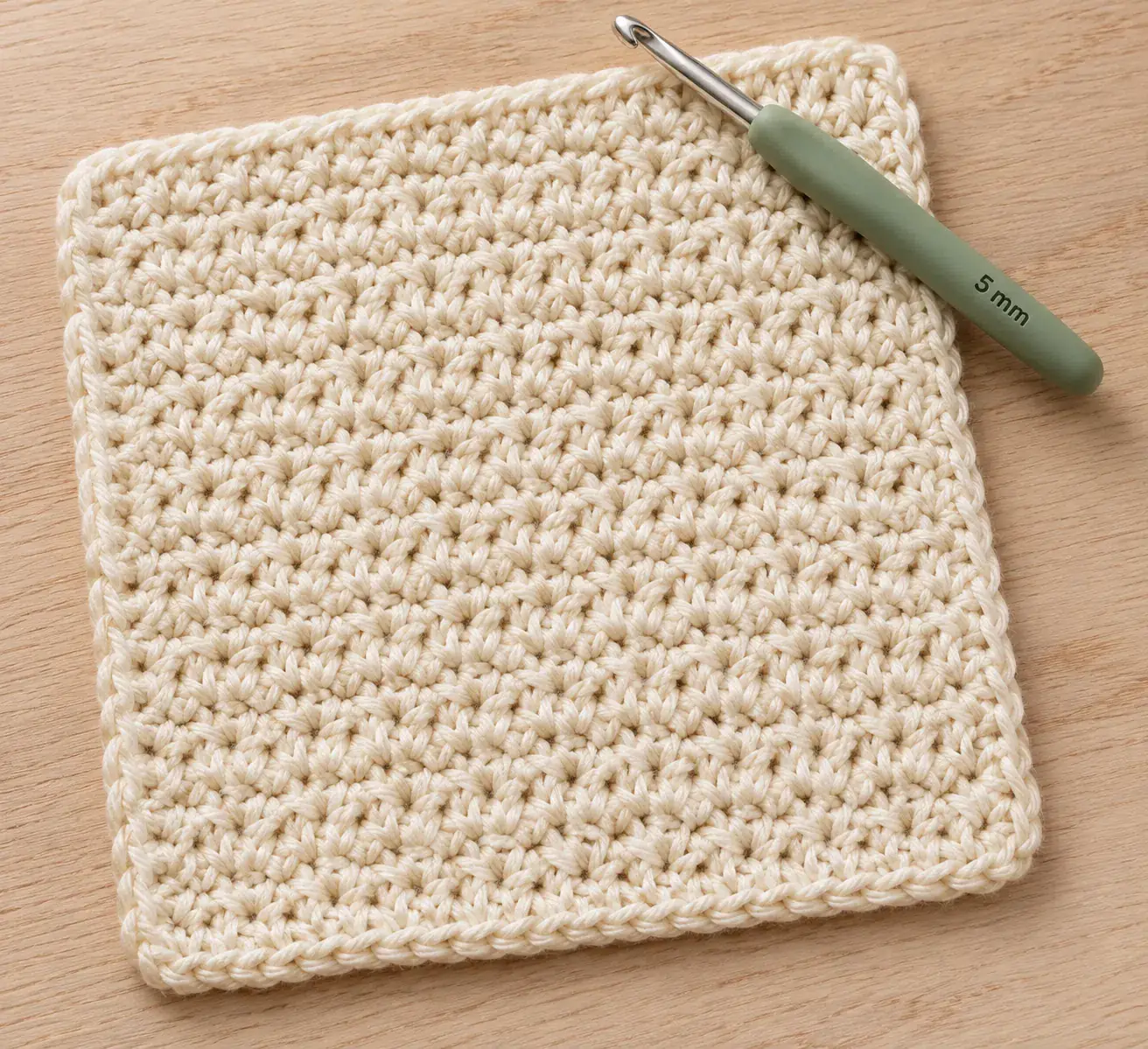
- Millimeter sizes, such as 5 mm. This measures the diameter of the hook shaft, which determines the loop size. It is the universal standard.
- US letters and numbers, such as H-8. These traditional designations remain common in North American patterns.
Because letter designations can vary slightly between manufacturers and international regions, rely on the millimeter measurement. When a pattern specifies an “H-8 (5 mm)”, select the 5 mm hook.
US hook sizes to millimeters
| US Size | Millimeters | Typical Yarn Match |
|---|---|---|
| B-1 | 2.25 mm | Super fine / sock |
| C-2 | 2.75 mm | Super fine |
| D-3 | 3.25 mm | Fine |
| E-4 | 3.5 mm | Fine / sport |
| F-5 | 3.75 mm | Sport / DK |
| G-6 | 4 mm | DK |
| 7 | 4.5 mm | DK / light worsted |
| H-8 | 5 mm | Worsted |
| I-9 | 5.5 mm | Worsted |
| J-10 | 6 mm | Worsted / aran |
| K-10.5 | 6.5 mm | Bulky |
| L-11 | 8 mm | Bulky |
| M/N-13 | 9 mm | Bulky / super bulky |
| N/P-15 | 10 mm | Super bulky |
Specialty sizes also exist, including tiny steel hooks below 2 mm for lace thread, and massive jumbo hooks of 15 mm and above for extreme-chunky blankets.
Yarn weights from 0 to 7
Yarn “weight” refers to thickness rather than ball weight. The Craft Yarn Council maintains a standardized system ranging from 0 to 7, usually displayed inside a small yarn ball symbol on the label Yarn Weight System Standards.
| Weight | Name | Common Aliases | Suggested Hook Size |
|---|---|---|---|
| 0 | Lace | Thread, cobweb | Steel hooks up to 2.25 mm Hook and Needle Standards |
| 1 | Super fine | Sock, fingering, baby | 2.25 to 3.5 mm |
| 2 | Fine | Sport, baby | 3.5 to 4.5 mm |
| 3 | Light | DK, light worsted | 4.5 to 5.5 mm |
| 4 | Medium | Worsted, aran, afghan | 5.5 to 6.5 mm |
| 5 | Bulky | Chunky, craft, rug | 6.5 to 9 mm |
| 6 | Super bulky | Super chunky, roving | 9 to 15 mm |
| 7 | Jumbo | Jumbo, roving | 15 mm and larger |
These measurements serve as recommendations rather than absolute laws. Many designers pair worsted weight yarn with a 5 mm hook to create a firmer, more stable fabric than the broader range suggests.
How to choose the right hook for your yarn
1. Read the yarn label
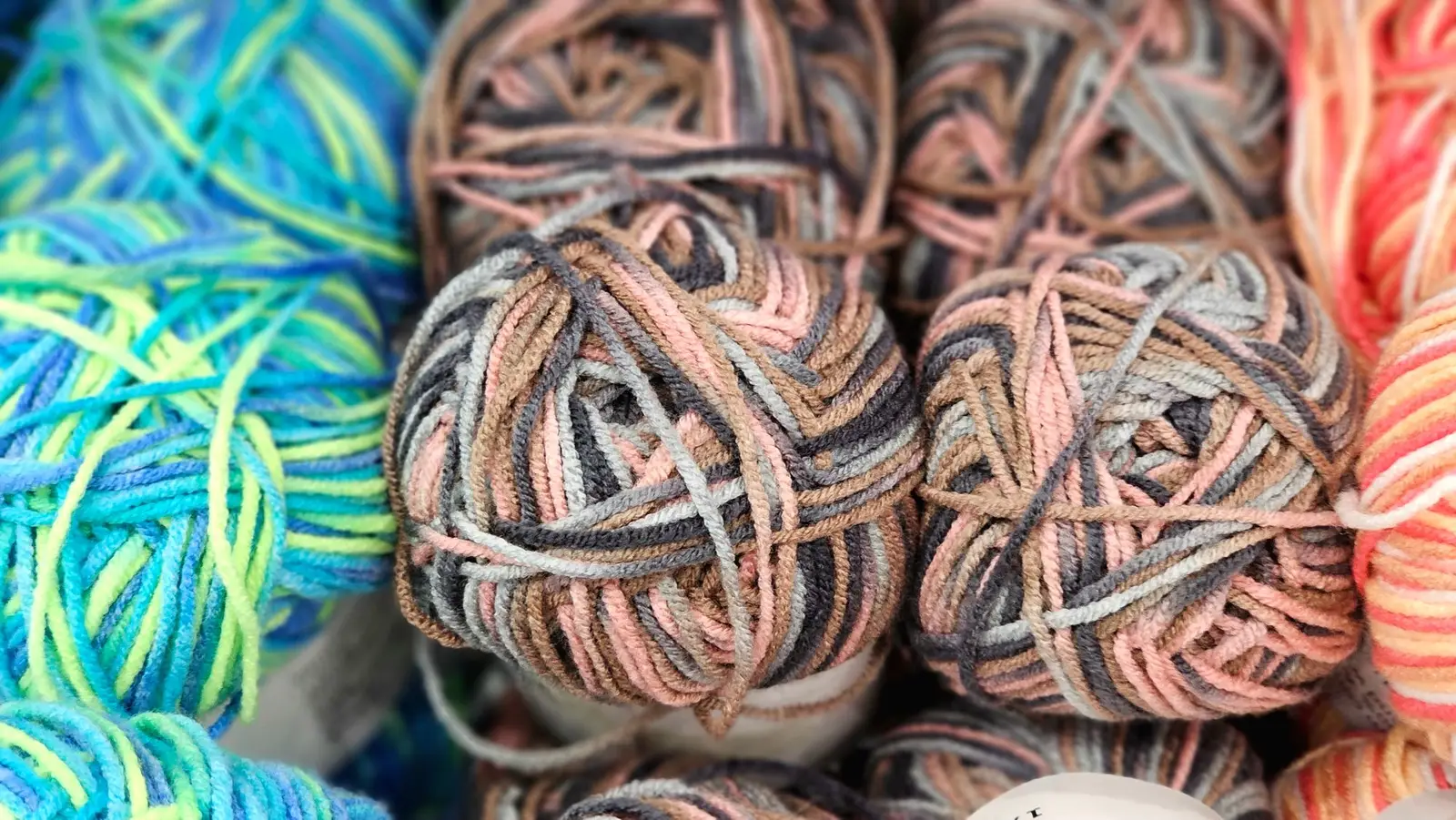
The manufacturer band specifies a recommended hook range next to a hook symbol. This provides the most reliable baseline for that specific spin and fibre.
2. Follow pattern instructions
When working from a published pattern, use the specified hook. Designers test their pieces with particular yarns to achieve correct drape and stitch definition.
3. Consider the desired fabric density
Altering hook size changes the character of the finished textile:
- Decrease hook size by 1 or 2 steps for dense, rigid fabric with minimal gaps. This approach suits storage baskets, plant pot covers, and amigurumi where stuffing must remain hidden.
- Use label recommendations for standard items like dishcloths, market bags, and cushion covers.
- Increase hook size by 1 or 2 steps for flexible, drapey fabric ideal for scarves, shawls, and lightweight wraps.
Understanding gauge and when it applies
Gauge measures the number of stitches and rows within a defined area, typically a 4 x 4 inch (10 x 10 cm) square.
Gauge is essential for fitted items such as garments, hats, and tailored home accessories like pot covers made for specific containers. Gauge is optional for flat items like dishcloths, blankets, and wall hangings where exact dimensions are non-critical.
To test gauge, crochet a swatch slightly larger than 4 inches using your pattern stitch, lay it flat without stretching, and count your stitches:
- Excess stitches per inch: Your tension is tight or your hook is too small. Switch to a larger hook.
- Too few stitches per inch: Your tension is loose or your hook is too large. Switch to a smaller hook.
Styles and materials of crochet hooks
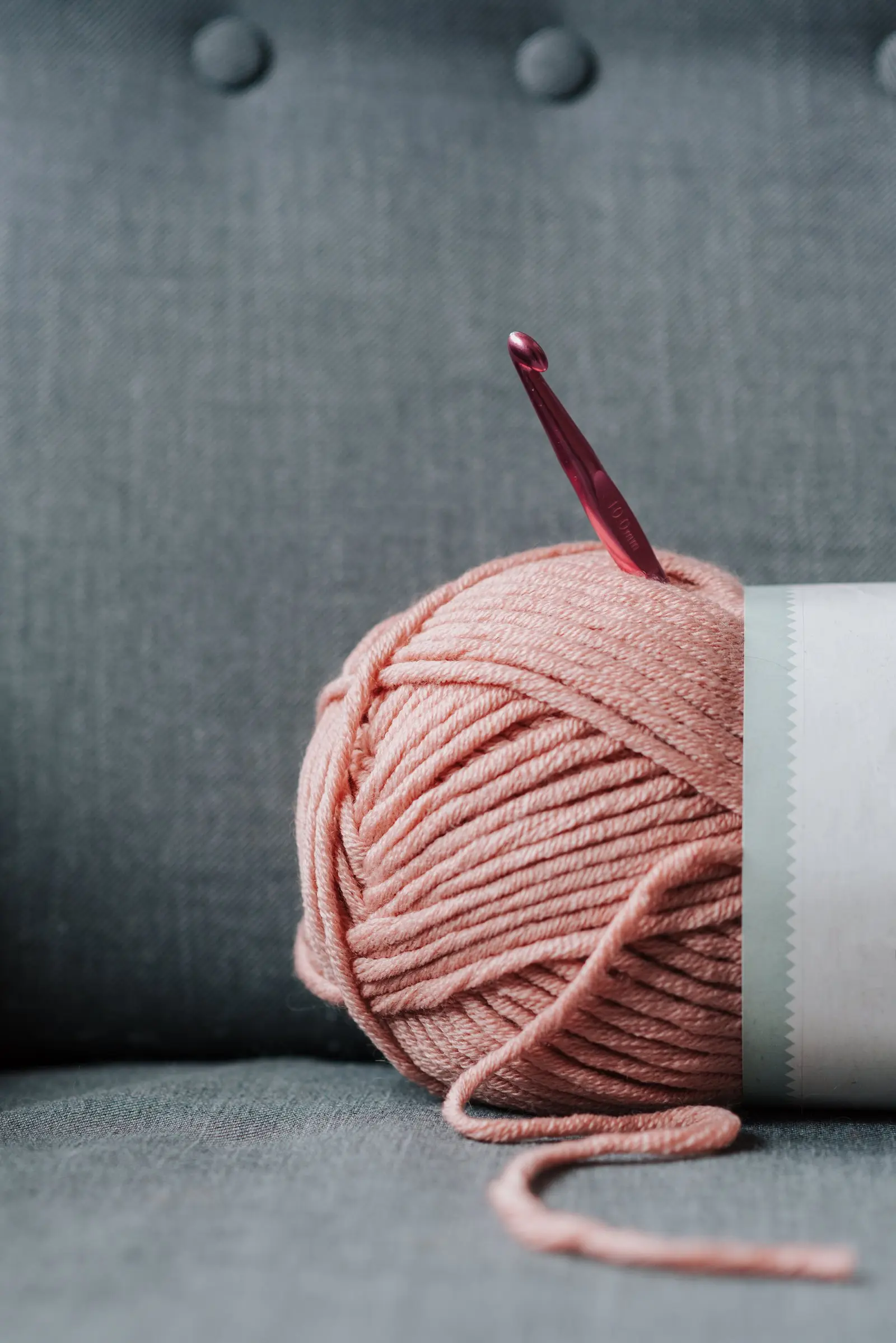
Inline vs tapered heads. Inline hooks feature a head aligned with the shaft width and a sharp throat angle. Tapered hooks feature a slightly protruding head and a rounded, sloping throat. Personal comfort dictates the choice between them.
Material options:
- Aluminum: Smooth, durable, and affordable. The standard choice for beginners.
- Ergonomic grips: Rubber or silicone handles that reduce hand strain during long crafting sessions.
- Wood and bamboo: Warm to the touch with natural grip, preventing slippery silk or bamboo yarns from sliding off the shaft.
- Plastic: Lightweight, primarily used for jumbo hooks handling thick roving yarns.
- Steel: Fine gauges designed exclusively for lace threads.
Building a starter hook kit
A complete beginner collection does not require every size on the market. A core set featuring 3.5 mm, 4 mm, 5 mm, and 6 mm hooks handles most sport, DK, and worsted weight patterns. Adding an 8 mm or 9 mm hook prepares you for chunky home decor projects.
For inspiration on what to make with your kit, explore our crochet home decor ideas or view our collection of free crochet patterns.
Quick reference for home decor projects
- Storage baskets and plant pot covers: Worsted or bulky yarn, worked one hook size smaller than the label recommendation for rigidity.
- Hanging plant holders: Cotton cord or bulky cotton yarn, paired with a 6 mm to 9 mm hook.
- Cushion covers: Worsted or bulky yarn, matched to label recommendations.
- Throws and blankets: Worsted to super bulky yarn, matched to label size or one size larger for drape.
- Coasters: Worsted weight cotton yarn, paired with a 4.5 mm or 5 mm hook.
{“status”:“ok”,“slug”:“crochet-hook-sizes-yarn-weights”,“file”:“/opt/website/sites/hookandfern/astro/src/content/posts/crochet-hook-sizes-yarn-weights.md”,“score”:84,“words”:1120,“angle”:“reference: comprehensive guide to crochet hook sizes and yarn weights with CYC standards and practical matching advice”,“notes”:“Rewrite completed with accurate tables, updated frontmatter, and internal links.”}
Worth buying
If you're building a basic crochet kit, these cover almost every beginner and intermediate pattern.
-
Ergonomic hook set, 3.5 mm to 6.5 mmBest first set
Covers sport through worsted and light bulky yarn. Soft handles are worth it if you crochet for more than half an hour at a time.
-
Single 8 mm or 9 mm hook
For chunky blankets, baskets and quick cushion covers in bulky yarn.
-
Hook and needle size gauge
A small card with holes that tells you the size of unlabeled or vintage hooks.
-
A zippered hook case
Keeps sizes in order and stops hooks disappearing into the sofa.
Frequently asked questions
What crochet hook size is most common?
The 5 mm (US H-8) hook is the most widely used size because it pairs with worsted weight yarn, which is standard for blankets, dishcloths, and home decor.
Should I trust the millimeter size or the US letter?
Always trust the millimeter size. Letters and numbers vary slightly between older brands and international manufacturers, but 5 mm is identical everywhere.
What happens if I use a bigger hook than the yarn label recommends?
Your fabric becomes looser, softer, and more drapey, and the overall project grows larger. This works well for shawls, but storage baskets and amigurumi need a smaller hook for a firm structure.
What is the difference between inline and tapered hooks?
On an inline hook, the head is the same width as the shaft and the throat is cut straight in. On a tapered hook, the head projects slightly and the throat narrows smoothly. Choice depends purely on hand comfort.
What do the numbers on a yarn label mean?
The number inside the yarn ball symbol indicates the standard weight category from the Craft Yarn Council, ranging from 0 for lace up to 7 for jumbo.
Sources
- Yarn Weight System Standards— craftyarncouncil.com
- Hook and Needle Standards— craftyarncouncil.com
- Care Symbols Standards— craftyarncouncil.com
First published
Photo credits
Thank you to Castorly Stock, Muhammad Khawar Nazir, Anete Lusina and M Kamran Arvi for sharing these photographs.