6 Pet Safe Houseplants for Cats, Dogs and Real Rooms
Choose pet safe houseplants with species-specific ASPCA checks, a window comparison, soil tests and fixes for brown tips or drooping leaves.
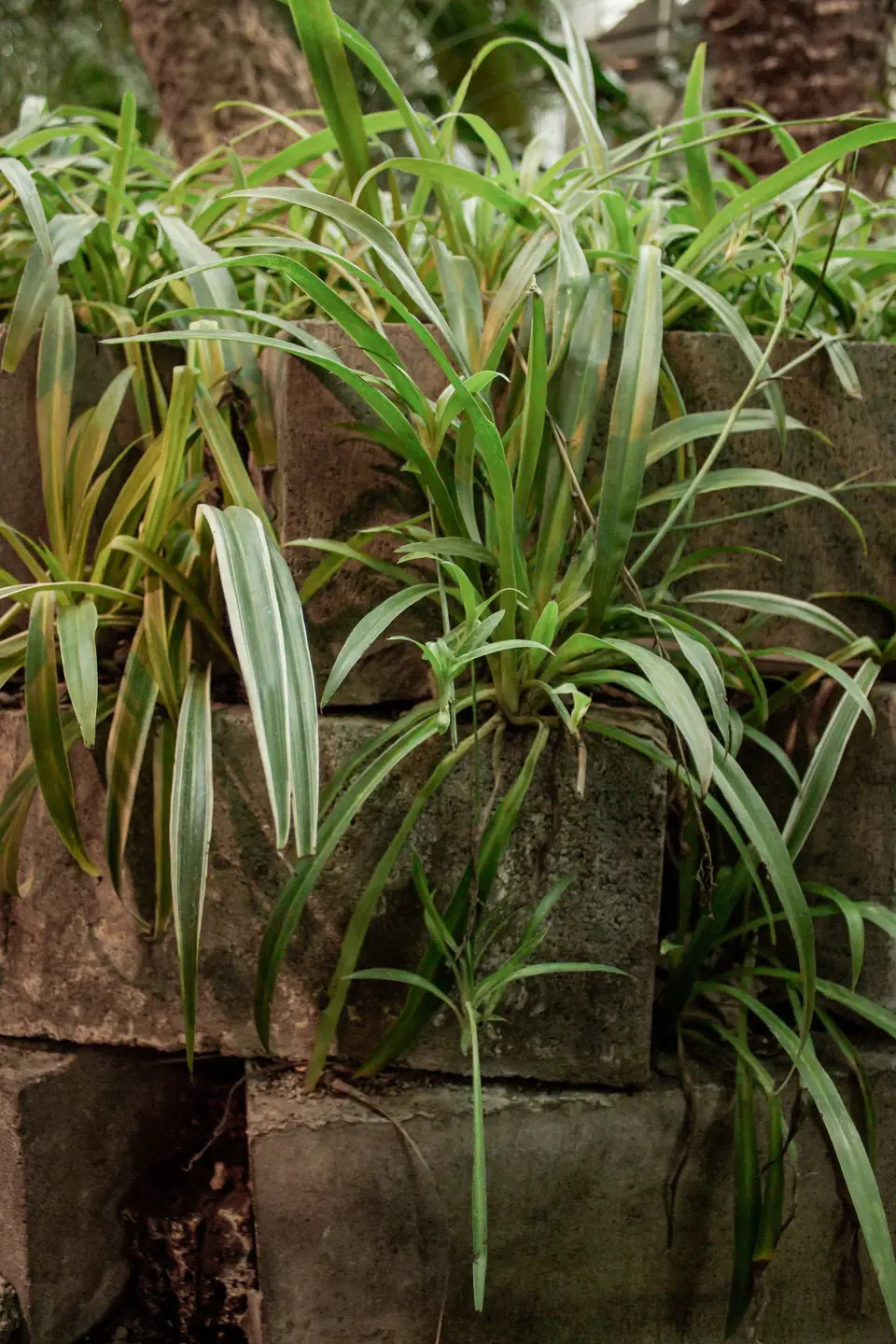
Good pet safe houseplants include spider plant, parlor palm and ripple peperomia. The ASPCA lists all three as non-toxic to cats and dogs. Choose between them by checking your window and how far the soil should dry. A plant can pass the pet check and still be wrong for your room.
Striped spider plants cascade over a stone wall.
Before you buy
- Match the botanical name on the label to the linked ASPCA entry.
- Use the light and soil tests below to choose a plant you can maintain.
- Keep plants away from chewing pets even after checking their toxicity status.
This is a research-based shortlist, checked against ASPCA entries and university extension care guidance on November 5, 2026. It covers cats and dogs; it does not establish safety for rabbits, birds or other animals.
What “pet-safe” actually tells you
“Non-toxic” is a plant toxicity classification, not permission to eat the plant. The ASPCA explains that eating any plant can cause stomach upset. It also recommends recording scientific names because common names overlap.
Keep the nursery label, or photograph it before discarding the packaging. Search the exact name, then check the cat and dog classifications separately. If there is no matching ASPCA entry, the plant’s status is unconfirmed by that database. Do not assume it is suitable because a related species appears there.
If your pet eats an unidentified or potentially toxic plant, or seems ill after chewing any plant, call your vet or the ASPCA Animal Poison Control Center at (888) 426-4435. A consultation fee may apply.
Compare the plants with your actual room
For a measurable starting point, University of Minnesota Extension defines low light as 50–250 foot-candles, medium as 250–1,000, and high as more than 1,000. These are broad indoor bands, not precise thresholds for each species. Measure where the leaves will sit.
The table combines those bands with the species guidance linked in each plant section. Window directions here refer to Northern Hemisphere homes. Curtains, trees and nearby buildings can change the result, so the reading matters more than the direction alone.
| Plant | Light band and starting location | Soil cue before watering | Skip it if… |
|---|---|---|---|
| Spider plant | Medium; east window, outside harsh direct sun | Top inch dry; check beneath it too | You tend to keep pots constantly wet |
| Parlor palm | Low to medium; near a north or east window | Surface begins to dry; deeper mix remains slightly moist | The room has no useful daylight or grow light |
| Ripple peperomia | Medium; filtered east-window light | Top inch dry; avoid bone-dry soil throughout | The pot stays wet or sits in a cold draft |
| Ponytail palm | High preferred; brightest south or southwest window | Mix dries between thorough waterings | You want every plant on the same watering schedule |
| African violet | About 1,000 foot-candles without direct sun; see source below | Surface dry to the touch | You cannot provide consistent soil checks |
| Boston fern | Medium; filtered east-window light and humid air | Water before the root ball dries out | You often forget to check moisture |
No window and no grow light means none of these is a lasting choice. Mississippi State Extension notes that less than 50 foot-candles generally cannot sustain plants for long. Moving a plant onto a higher, darker shelf can solve access while creating a light problem. Use the low-light indoor plants guide to assess the spot before buying.
1. Spider plant for an arching hanging basket
Spider plant (Chlorophytum comosum) earns its place because it offers cascading foliage without needing the constantly moist root ball of a fern. Its ASPCA entry lists it as non-toxic to cats and dogs.
Choose medium light using the range above. An east-facing window is a useful starting location; keep the foliage outside intense direct sun. UF/IFAS recommends briefly letting the upper inch of soil dry between waterings. Test the surface and the mix underneath rather than watering because the basket looks dry from below.
Brown tips need a little investigation. Check for wet soil and poor drainage first. If those are sound, consider very dry soil, dry air, fertilizer salts or tap-water sensitivity. Wisconsin Horticulture identifies these possible causes. Adding water to an already wet pot will not fix tip burn.
For placement, borrow the hardware ideas in hanging plant ideas, then check that trailing leaves cannot be reached from a chair or shelf.
2. Parlor palm when the window is shadier
Parlor palm (Chamaedorea elegans) is the lower-light choice here. The ASPCA lists this exact species as non-toxic to cats and dogs. A label that says only “palm” is not enough.
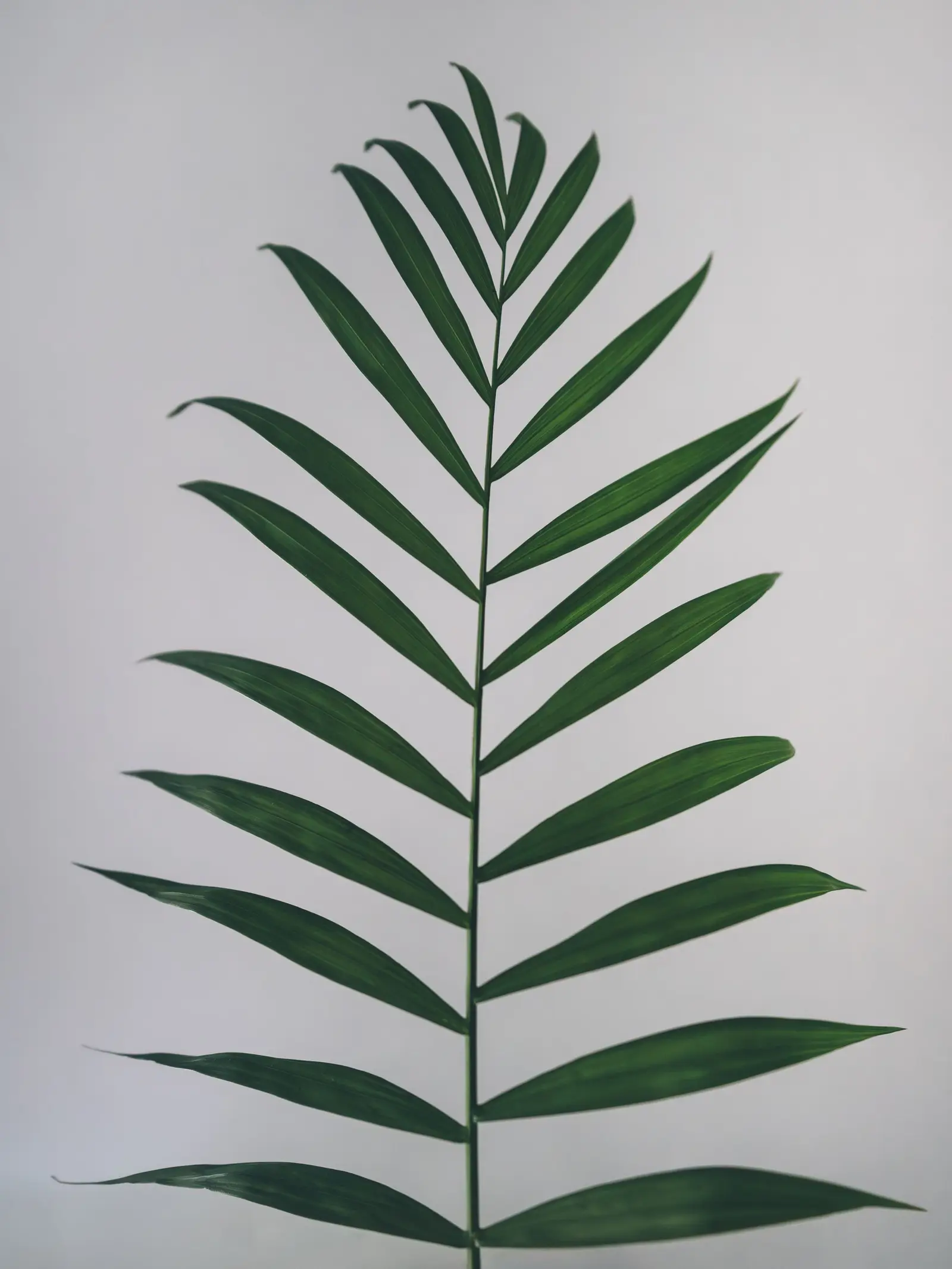 A parlor palm frond shows its fine, narrow leaflets.
NC State Extension recommends a north or east window and says it tolerates lower light, although brighter indirect light is preferable. Use the low-to-medium bands above to assess the position. Protect it from cold drafts.
Let the soil dry slightly between waterings, without leaving the whole pot dry for long periods. Its preference for moisture does not justify standing water in the cover pot. Growth is slow, so buy a plant whose size already works in your room rather than expecting a small pot to fill an empty corner quickly.
3. Ripple peperomia for a small surface
Ripple peperomia (Peperomia caperata) offers textured foliage in a compact form. The ASPCA green ripple peperomia entry lists it as non-toxic to cats and dogs. This recommendation is for that species, rather than every plant sold as peperomia.
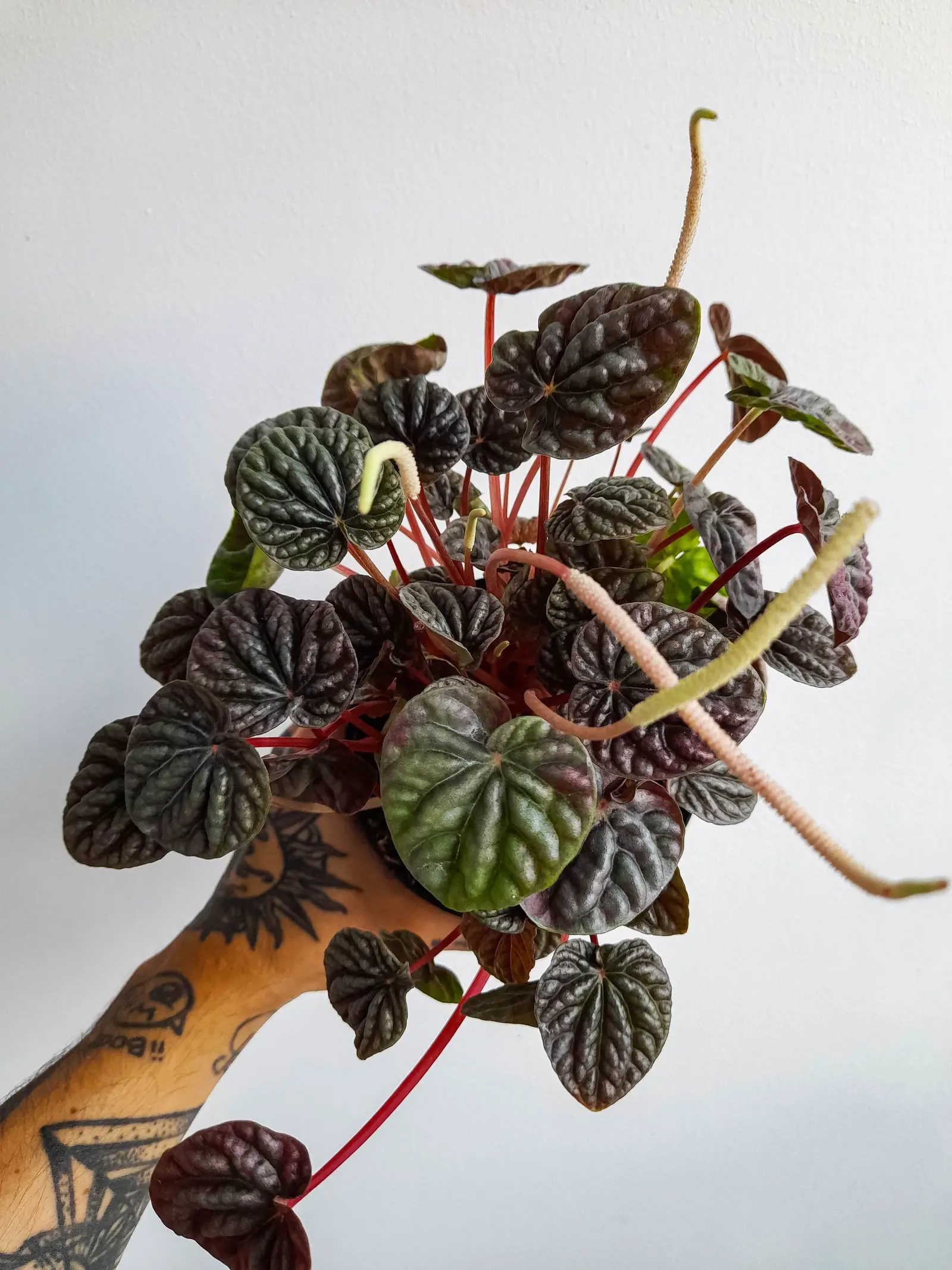 Deep folds give ripple peperomia leaves their puckered texture.
NC State’s species guide recommends medium light, such as sun filtered through a thin curtain. Use the medium band above; filtered light at an east window is a starting option. For a practical soil test, the University of Vermont’s peperomia guidance uses the top inch drying before rewatering. Avoid both persistently wet soil and a thoroughly parched root ball.
This is a better fit than Boston fern when maintaining humid air is difficult: NC State describes medium to low relative humidity as suitable. A cold, drafty windowsill remains a poor location. When styling plants on shelves, give this pot a lit position rather than treating it as a dark-bookcase ornament.
4. Ponytail palm for the brightest window
Ponytail palm (Beaucarnea recurvata) suits someone who lets pots dry between drinks. The ASPCA lists it as non-toxic to cats and dogs. Despite its common name, it is a succulent rather than a true palm.
Its swollen trunk stores water. Wisconsin Horticulture recommends as much window light as possible, a well-drained cactus-style mix, and deep but infrequent watering. Choose the high-light band above and start with your brightest south or southwest window. Introduce a plant from a shaded shop to stronger sun gradually.
Allow the mix to dry between waterings and reduce watering substantially in winter. Check below the dry crust at the top of the pot before reaching for the can. Overwatering is the main failure described by Wisconsin Extension. This plant should never share the fern’s watering routine.
5. African violet for flowers near a window
African violets are listed by the ASPCA under Saintpaulia spp. as non-toxic to cats and dogs. Their appeal here is flowering in a small pot, provided the light and moisture are suitable.
UF/IFAS gives about 1,000 foot-candles without direct sun as a target for growth and flowering. Iowa State Extension recommends north or east exposures. Measure the light rather than relying on the window label. Thin, dark leaves with long leaf stalks suggest insufficient light. If a violet stops flowering, inspect its light before adding more fertilizer.
Use a loose, porous potting mix. Water when the surface feels dry, keeping the root ball from drying completely. That cue comes from Iowa State’s advice on yellow, drooping violet leaves. Room-temperature water directed onto the soil keeps the foliage dry. If bottom-watering, remove the pot after moisture has wicked upward; do not leave it standing in water.
6. Boston fern only if you can maintain moisture
Boston fern (Nephrolepis exaltata ‘Bostoniensis’) is the lush basket option for a humid room. The ASPCA Boston fern entry lists it as non-toxic to cats and dogs, using the spelling “Nephrolepis exalta bostoniensis.”
NC State Extension specifies high humidity and soil that should not dry out. Use the medium-light band above, with filtered east-window light as a starting location. A bathroom is useful only if it also has enough light. A dry position over a heater is a poor match.
Feel the surface and underneath it; water while the root ball still holds moisture, before it becomes dry throughout. In winter, check before adding more because demand decreases. Moist soil still needs air and drainage. If keeping up with that sounds difficult, choose another plant rather than buying the fern for its appearance alone.
Water each pot separately, especially in winter
Use a pot with drainage holes, either on a saucer or inside a removable decorative cover. When the plant’s soil cue says it is time, water thoroughly and discard runoff. Illinois Extension recommends soaking the mix and emptying excess water from the saucer.
In lower light, plants grow more slowly and use less water, as Minnesota Extension explains. Keep the soil cue and allow the interval to change through winter. Do not force a weekly schedule onto pots that are still moist. The beginner indoor plant guide explains the broader watering routine.
If leaves droop or yellow, check in this order:
- Wet soil and drainage. Inspect the cover pot for trapped water. Yellow, drooping African violet leaves can indicate root rot in wet conditions, according to the Iowa State guidance linked above. Do not assume every wilt means thirst.
- Light. Weak growth or small new leaves can indicate insufficient light. Recheck at leaf height, particularly after moving a pot higher. Mississippi State’s symptom table distinguishes light and watering problems.
- Pests. Inspect leaf undersides and stem joints. On parlor palm, NC State flags spider mites and mealybugs as possible problems. Look for evidence before buying a treatment.
Plants to leave off this shopping list
Several familiar houseplants fail the same ASPCA check. These are specific entries, not a claim that all plants sharing a common name behave alike:
| Plant to identify | ASPCA classification | Alternative to consider |
|---|---|---|
| Snake plant, Dracaena trifasciata, listed as Sansevieria trifasciata | Toxic to cats and dogs | Ponytail palm, if the window is bright enough |
| Golden pothos, Epipremnum aureum | Toxic to cats and dogs | Spider plant for a cascading basket |
| Peace lily, Spathiphyllum spp. | Toxic to cats and dogs | African violet for flowers |
| Sago palm, Cycas revoluta | Toxic to cats and dogs; liver failure is among the listed signs | Parlor palm after checking the botanical label |
Also leave true lilies (Lilium species) out of cat homes: the ASPCA lists them as toxic to cats, with kidney failure among the clinical signs. A peace lily is a different plant and has its own entry above.
Keep the plant and the pet apart
Treat placement as an access check. Before hanging a basket, look at nearby furniture, reachable foliage and fallen plant material. A high shelf alone does not establish that a pet cannot reach it. Keep pots stable and remove fallen leaves from accessible surfaces.
Avoid moving a moisture-loving plant above a heater just to get it higher. Mississippi State warns that air blowing from heating and cooling vents can damage plants. If the only well-lit place is accessible to a determined chewer, use a room the pet cannot enter or postpone the purchase.
Choose the spot first, verify the botanical label, then buy the plant whose soil routine fits your habits. Browse the plants collection for care guides once it is settled.
Frequently asked questions
Which plant should I choose for a shadier window?
Start with the parlor palm in the comparison table. It tolerates lower light, but still needs daylight or suitable artificial lighting. A windowless bathroom with the lights usually off is unsuitable.
Can I put a houseplant above a radiator to keep it away from my cat?
Choose another location. Heat and drying air make that a poor place for moisture-loving plants, and a high basket can still be reachable from nearby furniture. Check both the plant's light and the pet's access.
How often should I water these plants in winter?
Keep the same soil test and expect longer gaps when light and growth decrease. Do not water all the pots together: Boston fern needs moist soil, while ponytail palm needs to dry between waterings.
Why is my spider plant getting brown tips?
Check soil moisture and drainage first. If those are appropriate, consider fertilizer salts, dry air and sensitivity to chemicals in tap water. Brown tips alone do not prove the plant needs more water.
What if my cat or dog chews an unidentified plant?
Call your vet or the ASPCA Animal Poison Control Center. A common name or a seller's pet-friendly label is not enough to identify what was eaten. Keep the botanical label with the plant.
Sources
- ASPCA toxic and non-toxic plant database— aspca.org
- University of Minnesota Extension: Lighting for indoor plants— extension.umn.edu
- Illinois Extension: How to water houseplants— extension.illinois.edu
- NC State Extension: Ripple peperomia— plants.ces.ncsu.edu
- Wisconsin Horticulture: Ponytail palm— hort.extension.wisc.edu
- Iowa State Extension: All about African violets— yardandgarden.extension.iastate.edu
First published
Photo credits
Thank you to Natalia Sevruk, Jardín De Neko and Marta Nogueira for sharing these photographs.