10 Easy Indoor Plants for Beginners (Matched to Your Window)
Easy indoor plants for beginners, matched to your window: light cues, the soil test for watering, pet safety and which spots each plant will not survive.
The easiest indoor plants for beginners are the snake plant, ZZ plant, pothos, spider plant and cast iron plant, but the one that is easy for you depends on your window. Pick the plant for the light you already have, then water only when the soil says so. Those two habits fix most of what kills first plants.
This guide starts with a quick way to match plants to rooms, then covers light, the watering test, ten plants with an honest “where it will fail” line each, and what to do in your first month.
Easy houseplants for beginners: pick by window
University of Minnesota Extension sorts houseplant light by where the plant sits: a north window or a fairly dark corner suits low-light plants, an east window (or near a west window, out of direct sun) suits medium-light plants, and bright south or southwest windows suit high-light plants. Use that as your starting map.
| Your spot | Easy plants that fit | Will not survive here |
|---|---|---|
| North window or dim corner | Cast iron plant, ZZ plant, snake plant, pothos (slow growth) | Aloe, monstera (survives, never thrives) |
| East window, or off to the side of a west window | Pothos, heartleaf philodendron, spider plant, peace lily, monstera | Aloe (stretches and flops) |
| South or southwest window | Aloe, snake plant, rubber plant, monstera set back from the glass | Peace lily and spider plant on the sill in summer (scorched leaves) |
| No window at all | None. Add a grow light or move the plant | Everything, slowly |
If your room is dark, read the low-light indoor plants guide next. It is stricter about what counts as low light.
How to check your light before you buy
“Bright indirect light” is vague, so measure it. Extension services express light in foot-candles. Mississippi State University Extension puts low light at roughly 50 to 500 foot-candles, medium at 500 to 1,000 and high at 1,000 or more. Other extension pages draw the bands a little differently, so treat the numbers as ranges, not cliffs.
- Download a free lux meter app. Phone sensors are rough, so use the reading to compare spots, not as lab data.
- Multiply foot-candles by about 10.8 to get lux. Low light is therefore roughly 540 to 5,400 lux, and high light is above about 10,800 lux.
- Measure at leaf height, on a clear midday and again late afternoon. A plant a few steps back from a window receives far less than one on the sill.
- Note which direction the window faces, using the table above.
The watering test that works for every plant here
Calendar schedules fail because light, pot size and season change how fast soil dries, so check the soil instead. The routine:
- Push a finger into the soil. Extension advice varies: Illinois Extension suggests testing to about two inches deep, while others use the top inch.
- Leafy plants (pothos, philodendron, spider plant, rubber plant, monstera): water when the top inch or so is dry.
- Plants that store water (snake plant, ZZ plant, aloe): wait until the pot is dry most of the way down. Lifting the pot helps; a dry pot is much lighter.
- Water until it runs out of the drainage hole, then empty the saucer. A pot with no hole is a rot trap, so keep the plant in its nursery pot inside a decorative one.
- In winter, and for any plant in a dim room, expect the soil to take longer to dry. Check, don’t assume.
If a plant looks sick, test in this order. Overwatering comes first, then too little light, then pests. Slide the plant out and look at the roots: white and firm is healthy, brown and mushy is rot. Soil that stays wet for more than a week or so, yellowing lower leaves and a sour smell all point the same way.
The 10 plants
1. Snake plant
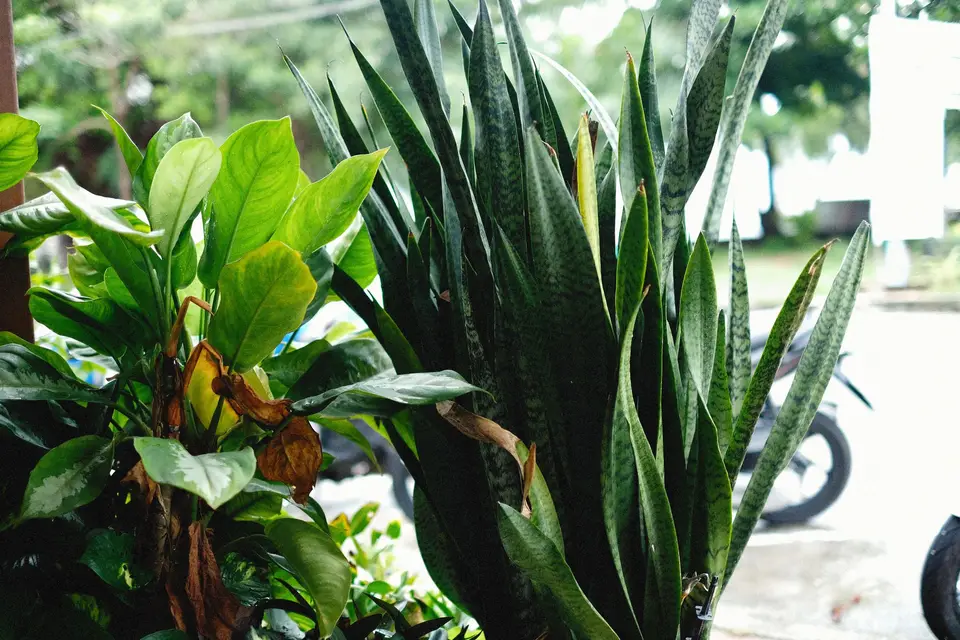
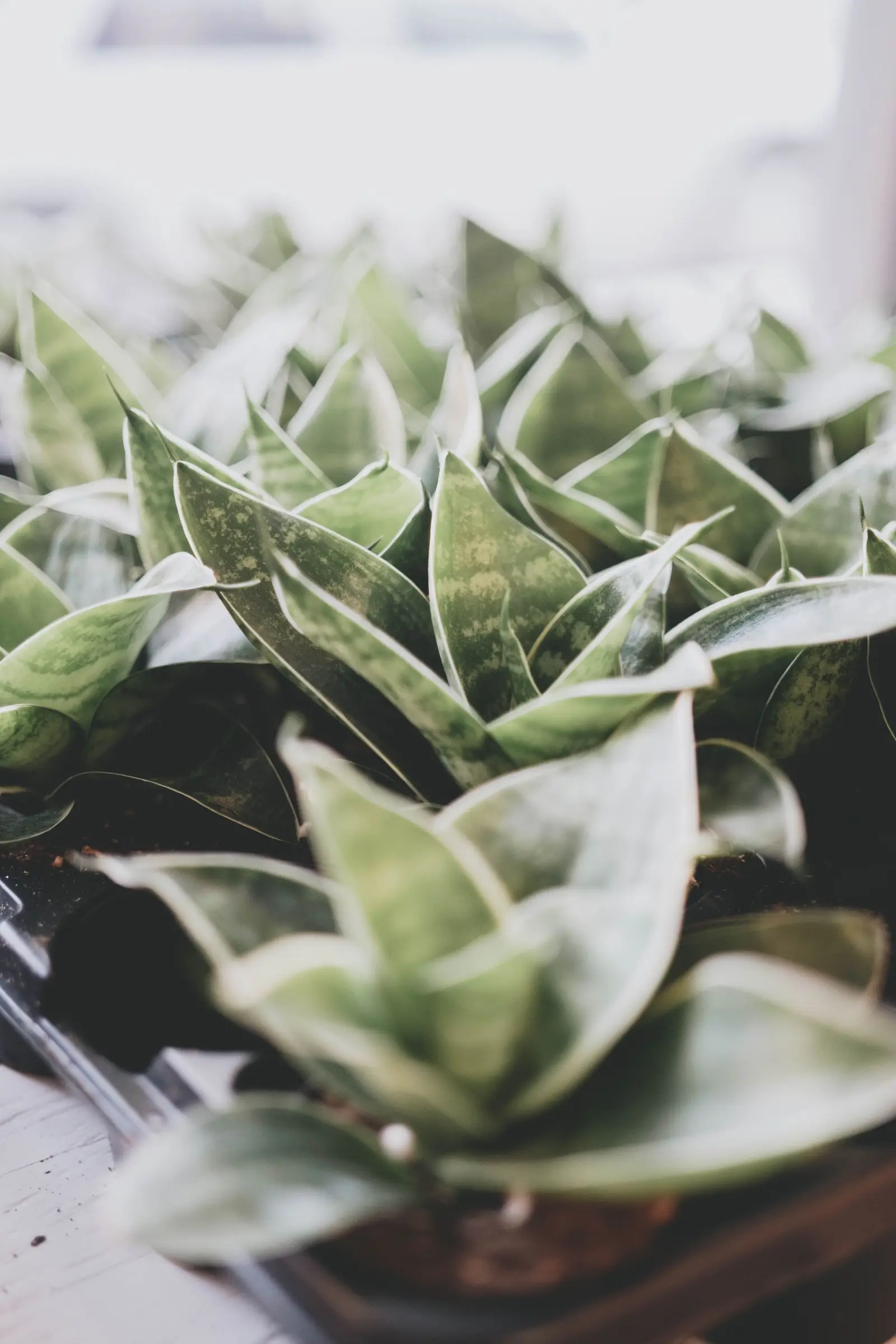 Upright snake plant leaves in pots, lit from the side.
Dracaena trifasciata (sold for years as Sansevieria trifasciata) has leaves that store water, so a skipped week does little harm. Note that “snake plant” covers several species with different leaf shapes, and this is the common tall one. It copes with a dim room but grows best with medium to bright light. Our snake plant care guide walks through drooping, wrinkles and rot.
- Light: north window to south window; the one extreme to avoid is hours of hot afternoon sun on a plant moved suddenly from shade
- Water: when the pot is dry most of the way down; far less in winter
- Pets: the ASPCA lists it as toxic to cats and dogs
- Will not survive: a pot without drainage and a watering can in a weekly routine
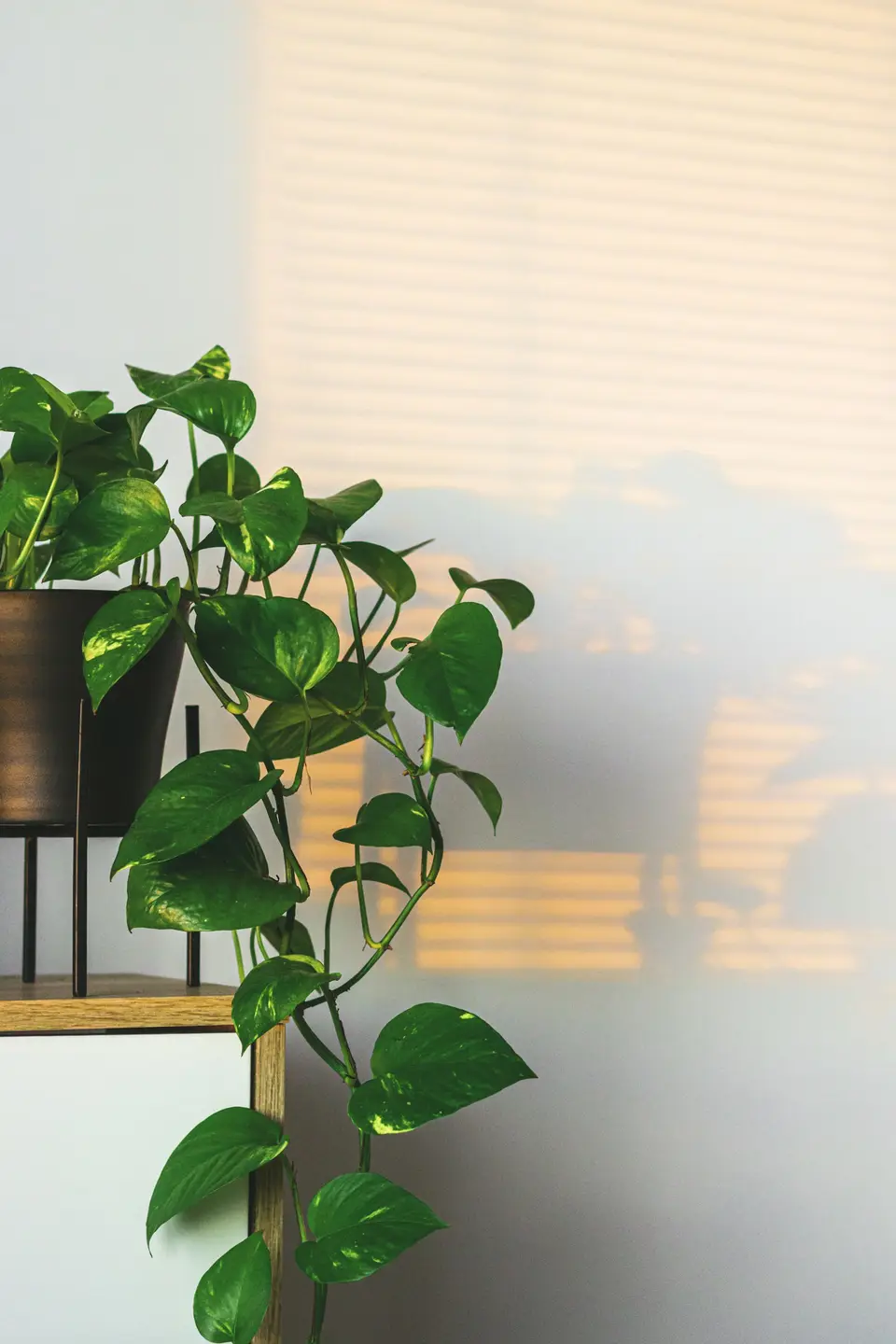
2. Pothos
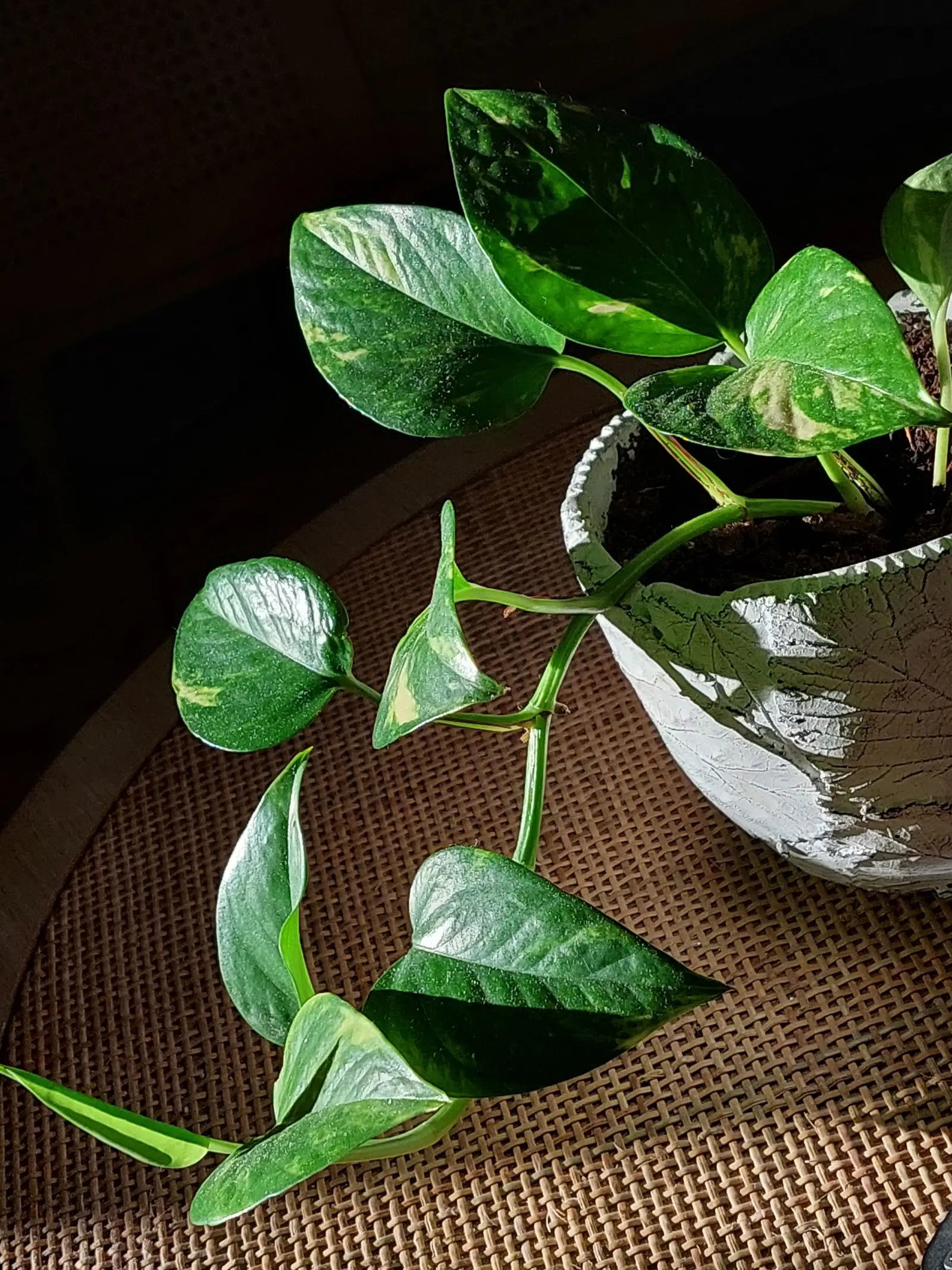 Pothos vines trailing from a textured pot in window light.
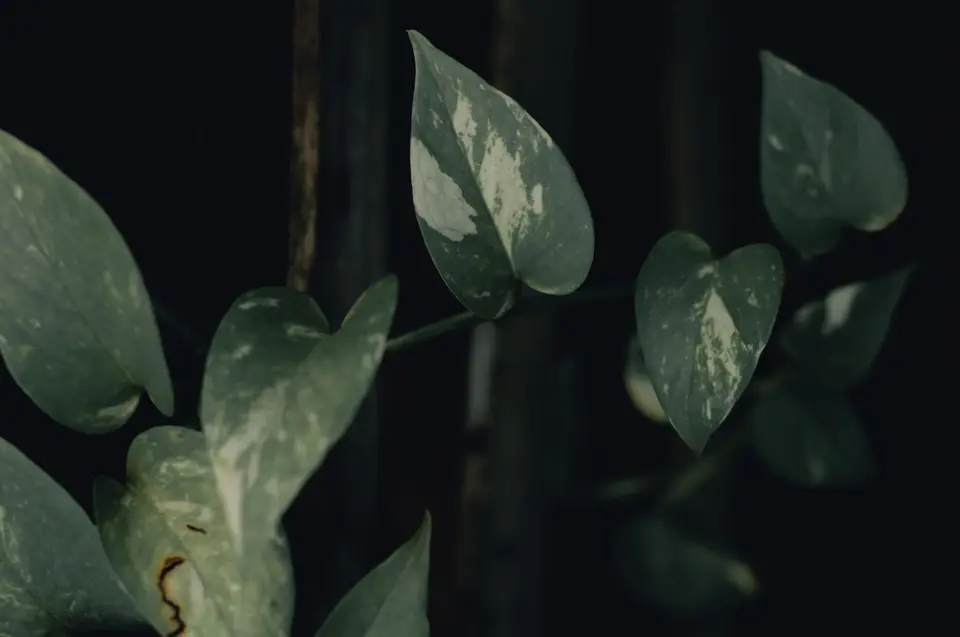
Pothos (Epipremnum aureum) trails, grows quickly and droops slightly when thirsty, which makes it a good teacher. It roots from a cutting in a glass of water. Variegated types such as marble queen need more light than plain green ones to hold their pattern. More in the pothos care guide, and it works well as a hanging plant.
- Light: east window ideal; dim corners keep it alive but leggy
- Water: when the top inch is dry
- Pets: treat as toxic to cats and dogs; confirm in the ASPCA database
- Will not survive: a pot that stays wet
3. ZZ plant
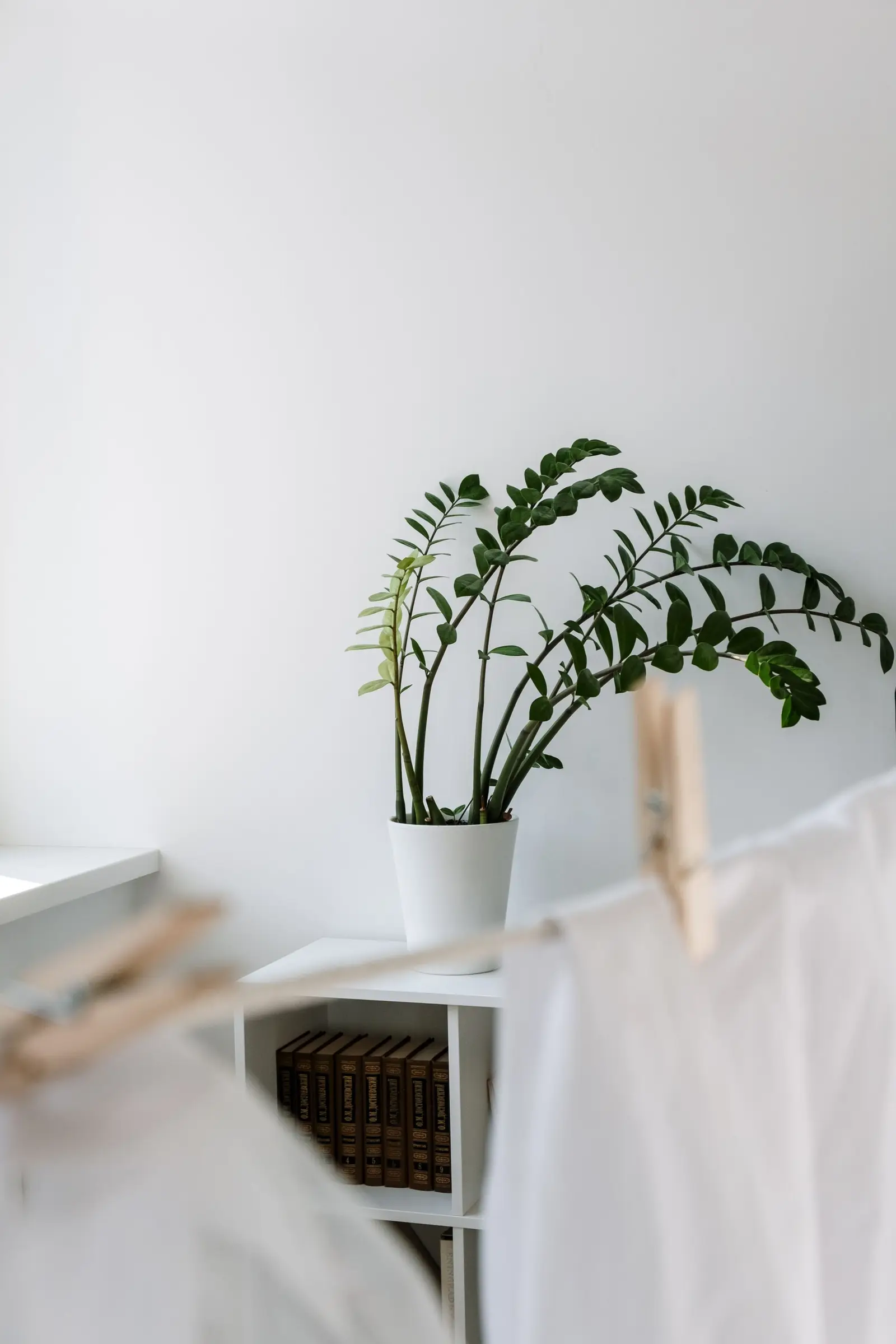 A glossy ZZ plant on a shelf in a bright, simple room.
The ZZ plant (Zamioculcas zamiifolia) stores water in thick underground rhizomes. Iowa State University Extension says it performs best in bright, indirect light but tolerates very low light, that direct afternoon sun can damage the foliage, and that overwatering is the main risk. Growth is slow in dim rooms, so don’t expect much change.
- Light: bright indirect ideal, dim tolerated
- Water: only when the soil is dry all the way through
- Pets: treat as toxic to cats and dogs; confirm in the ASPCA database
- Will not survive: frequent small waterings; yellow stems mean rot
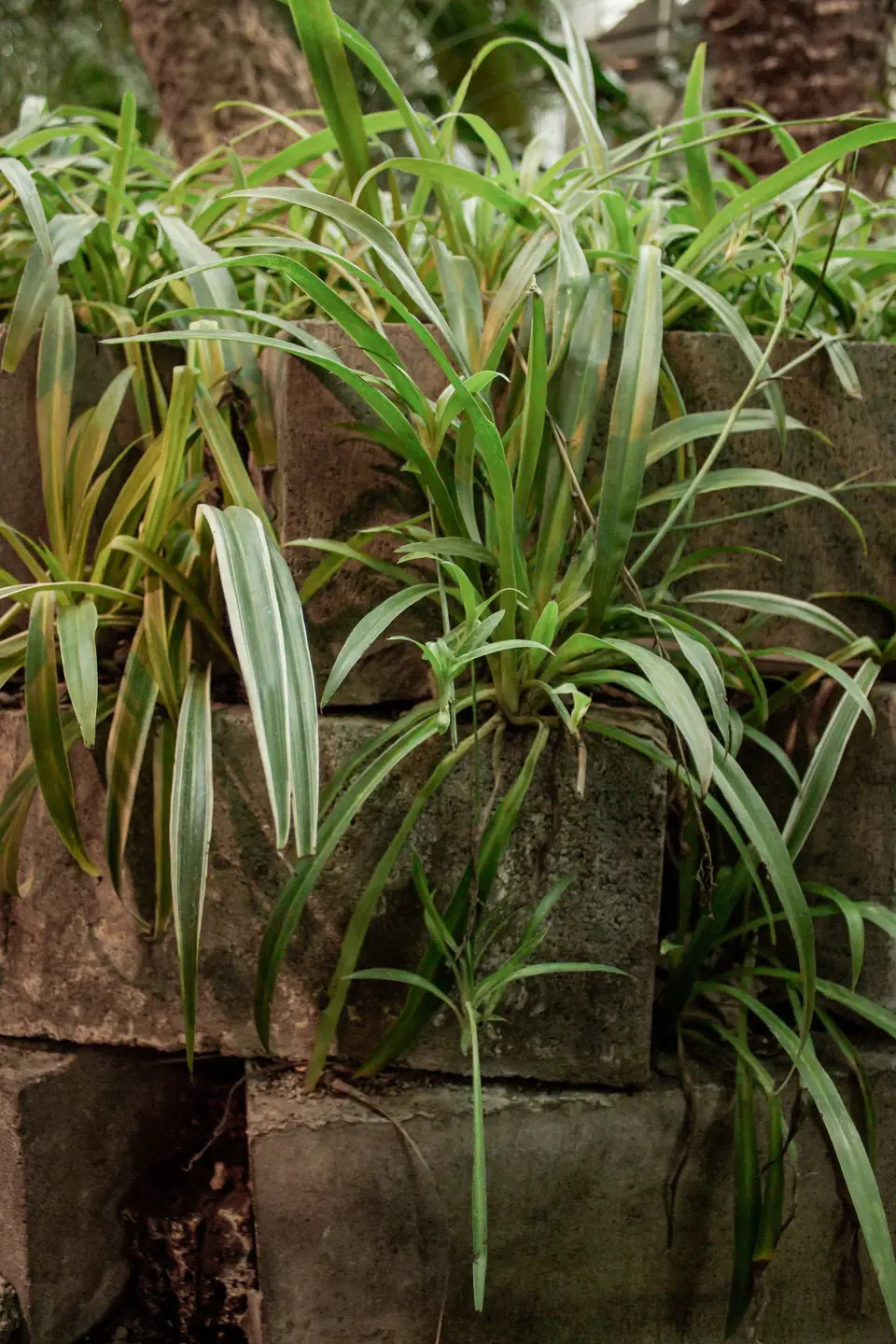
4. Spider plant
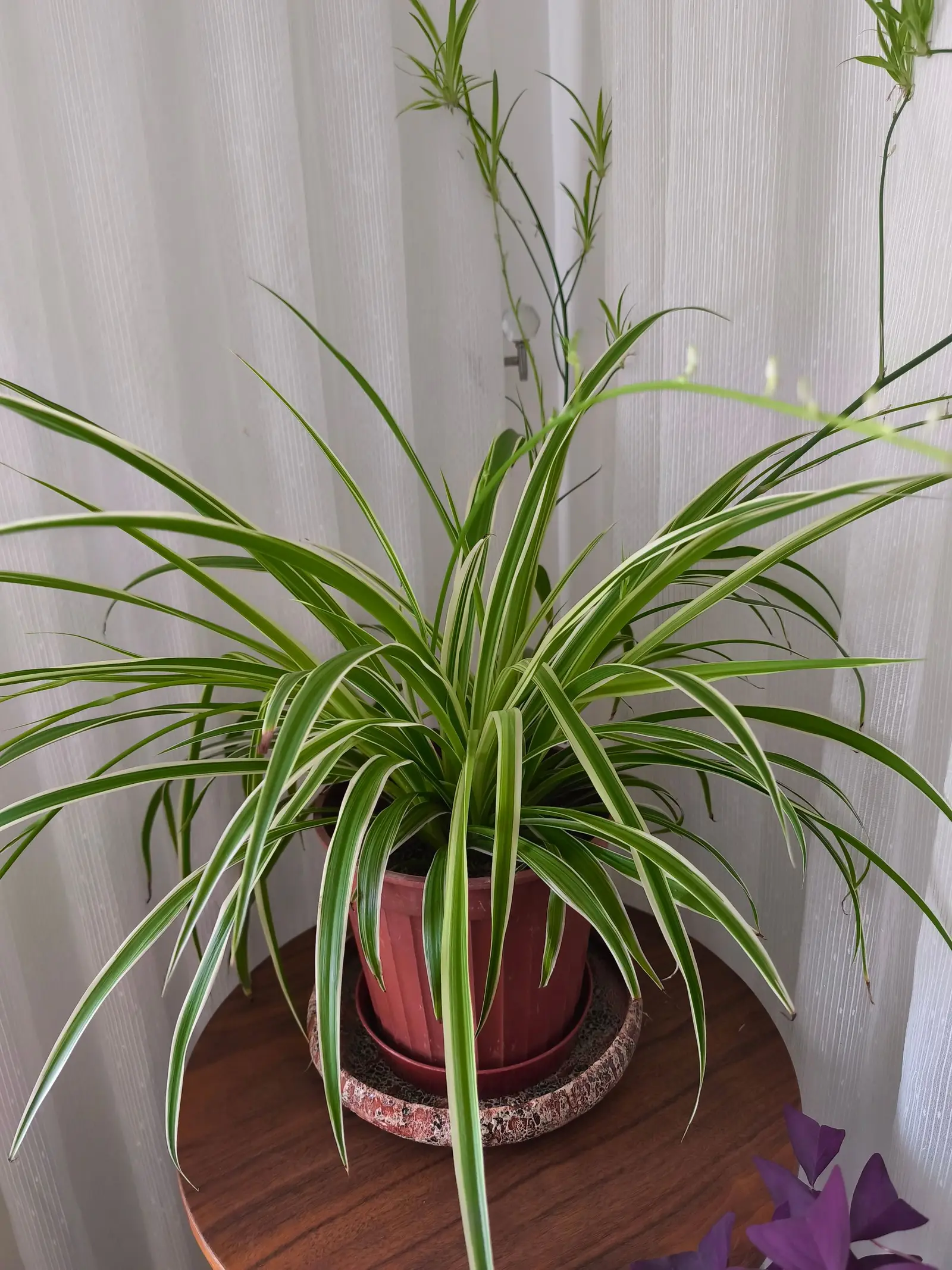 A healthy spider plant with arching green leaves on a wooden table.
The spider plant (Chlorophytum comosum) is listed by the ASPCA as non-toxic to cats and dogs. It grows fast and sends out baby plantlets on long stems that you can pot up. Brown leaf tips are common and usually cosmetic. Dry air, salts from fertilizer and tap water are frequent suspects, so trim the tips and cut back on feeding before blaming a disease.
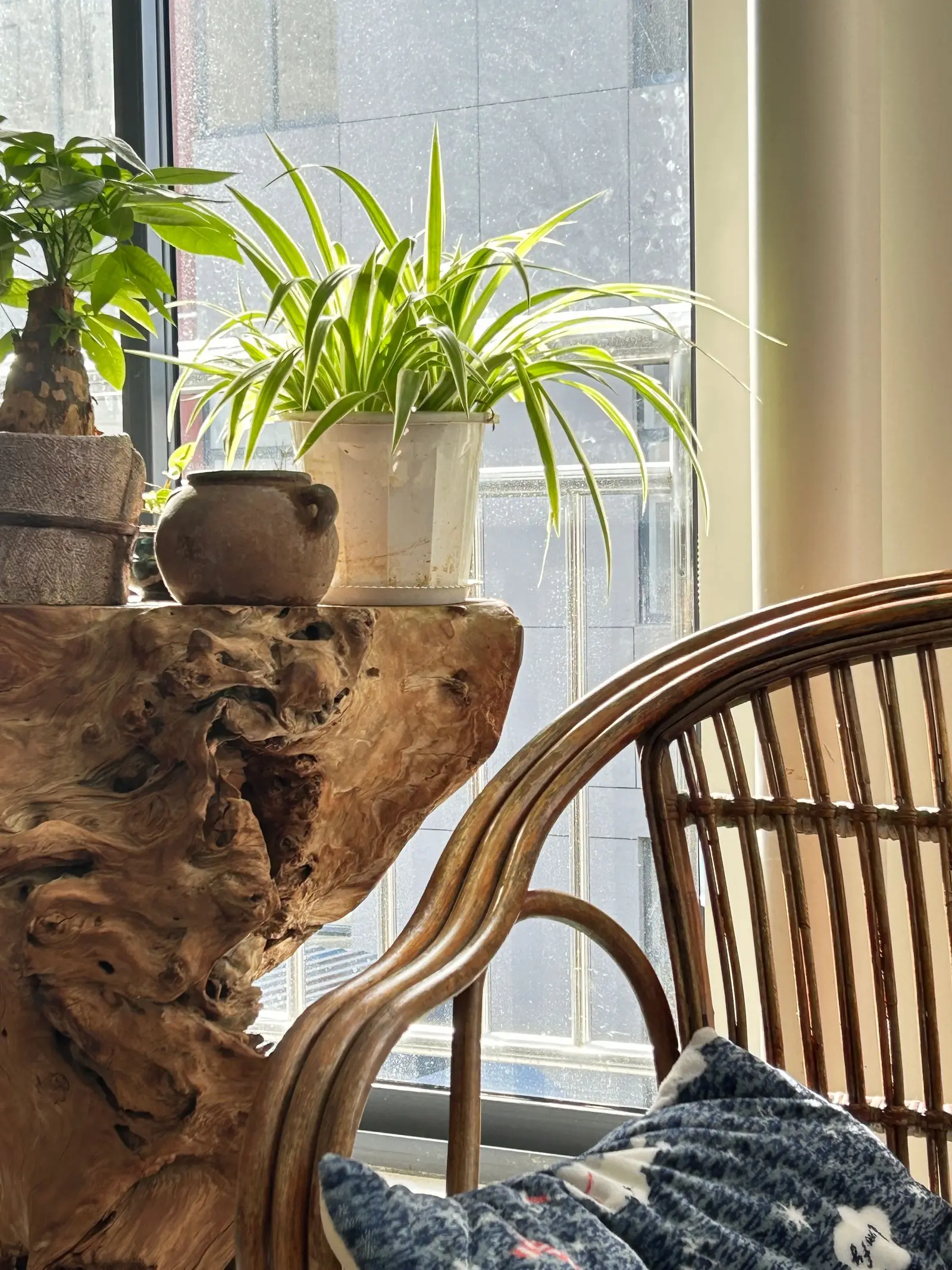 A spider plant beside a window, a spot with enough light but no harsh direct sun.
- Light: medium to bright, out of hot direct sun
- Water: when the top inch is dry
- Pets: non-toxic to cats and dogs (ASPCA). It is still not food, so a nibbled plant can upset a stomach.
- Will not survive: a south sill in summer or soggy soil
5. Monstera
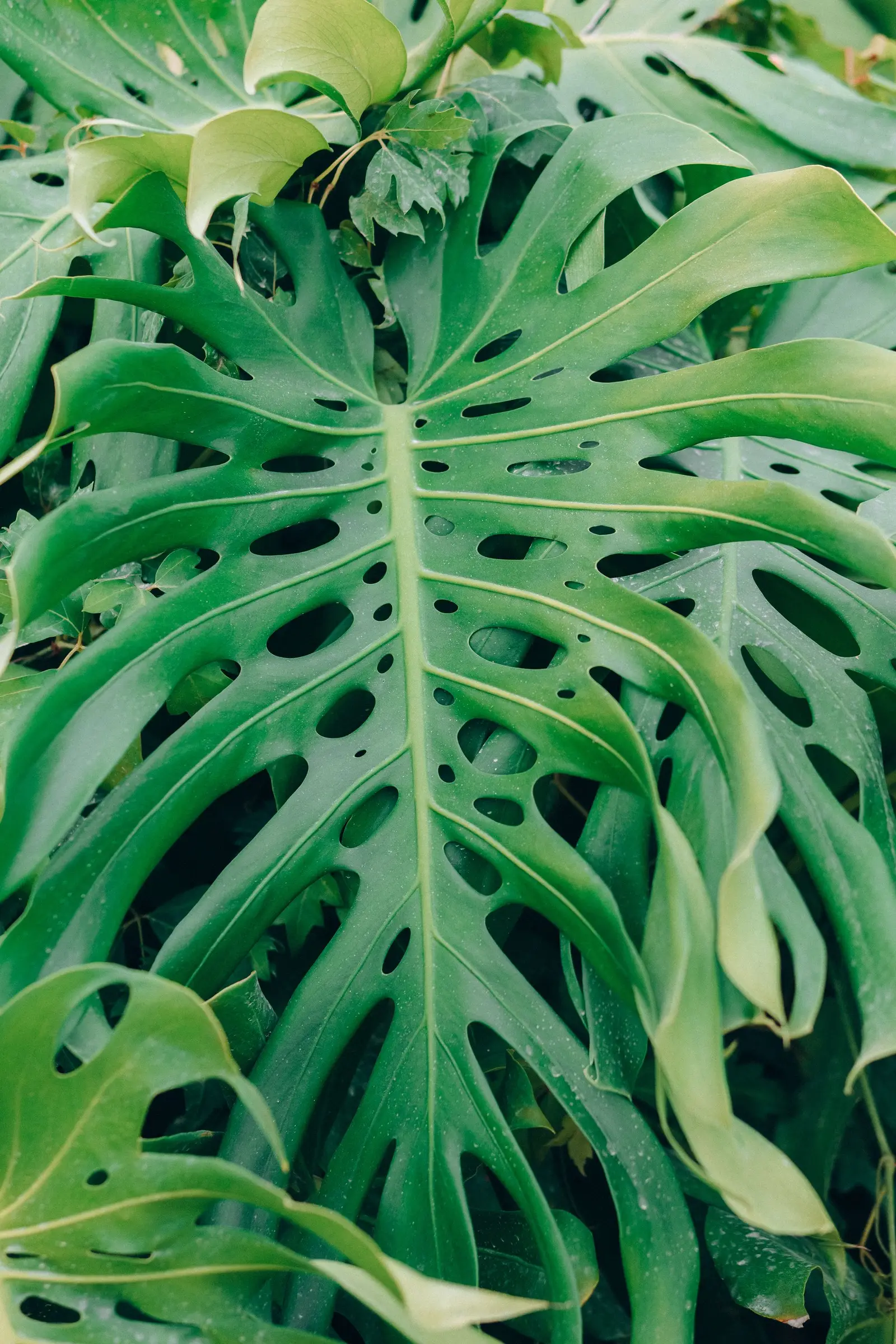 A mature monstera leaf with its characteristic splits.
Monstera deliciosa is easier than its leaves suggest, but it wants brighter light than the plants above. In a dim corner it survives, yet new leaves come in small and without splits. A moss pole gives it something to climb. The ASPCA lists it under its cutleaf philodendron entry as toxic to cats and dogs.
- Light: east window or set back from a south window
- Water: when the top 2 inches (5 cm) are dry
- Will not survive: a dark hallway, if you expect big split leaves
6. Rubber plant
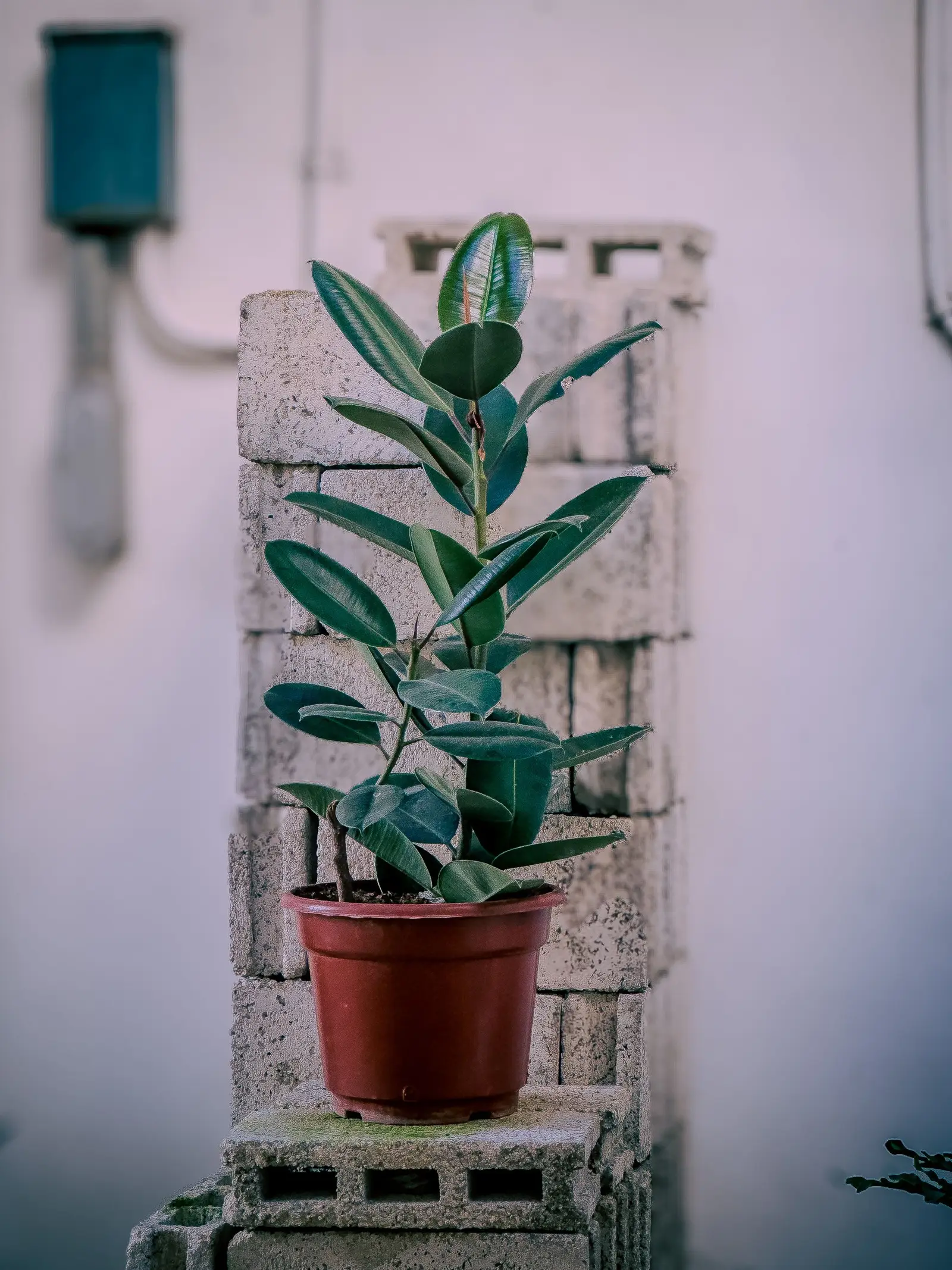 A glossy rubber plant in a pot against a brick wall.
Ficus elastica is a statement floor plant in deep green, burgundy or variegated forms. It dislikes being moved: leaf drop after a change of room is common, then it settles. Pick a bright spot once and leave it there. Treat it as toxic to cats and dogs, and confirm in the ASPCA database.
- Light: bright indirect, some gentle morning sun
- Water: when the top inch or two is dry
- Will not survive: a north window in winter
7. Heartleaf philodendron
Philodendron hederaceum is a close cousin of pothos with thinner, softer heart-shaped leaves and almost the same routine. It suits a shelf or a hanging pot. Treat it as toxic to cats and dogs, and confirm in the ASPCA database.
- Light: low to bright indirect
- Water: when the top inch or two is dry
- Will not survive: a cold draft from a window in winter
8. Aloe vera
Aloe is a succulent, so it wants lots of light and very little water. It is the one plant here that needs a south or west sill to stay compact. Treat it as toxic to cats and dogs, and confirm in the ASPCA database.
- Light: the brightest window you have, with some direct sun
- Water: only when the soil is completely dry
- Will not survive: a shady shelf, where it stretches and flops
9. Peace lily
Spathiphyllum droops dramatically when thirsty and stands back up within hours of watering, which makes it a useful signal plant. Constant collapses stress it, so check the soil before it gets that far. If the leaves brown or droop despite wet soil, see the peace lily care guide. Treat it as toxic to cats and dogs, and confirm in the ASPCA database.
- Light: medium indirect; tolerates low light but flowers less
- Water: when the top inch is dry, or at the first slight droop
- Will not survive: a hot, direct-sun windowsill
10. Cast iron plant
Aspidistra elatior is the slow, tough pick for dim rooms and the second pet-safe choice on this list, since the ASPCA lists it as non-toxic to dogs, cats and horses. It grows slowly, so buy a size you like rather than waiting for it to grow into one.
- Light: low to medium; scorches in direct sun
- Water: when the top inch or two is dry; it tolerates some neglect
- Will not survive: hot direct sun
Easy plants compared
| Plant | Light | Soil test | Pets (ASPCA) |
|---|---|---|---|
| Snake plant | Low to bright | Dry most of the way down | Toxic |
| Pothos | Low to bright indirect | Top inch dry | Check entry |
| ZZ plant | Low to bright indirect | Dry all the way through | Check entry |
| Spider plant | Medium to bright, no hot sun | Top inch dry | Non-toxic |
| Monstera | Bright indirect | Top 2 in. dry | Toxic |
| Rubber plant | Bright indirect | Top 1 to 2 in. dry | Check entry |
| Heartleaf philodendron | Low to bright indirect | Top 1 to 2 in. dry | Check entry |
| Aloe vera | Bright, some sun | Fully dry | Check entry |
| Peace lily | Medium indirect | Top inch dry | Check entry |
| Cast iron plant | Low to medium | Top 1 to 2 in. dry | Non-toxic |
“Check entry” means look the plant up in the ASPCA database and assume toxic until you have. For more options see pet-safe houseplants. If a pet eats any plant, call your vet or the ASPCA Animal Poison Control Center.
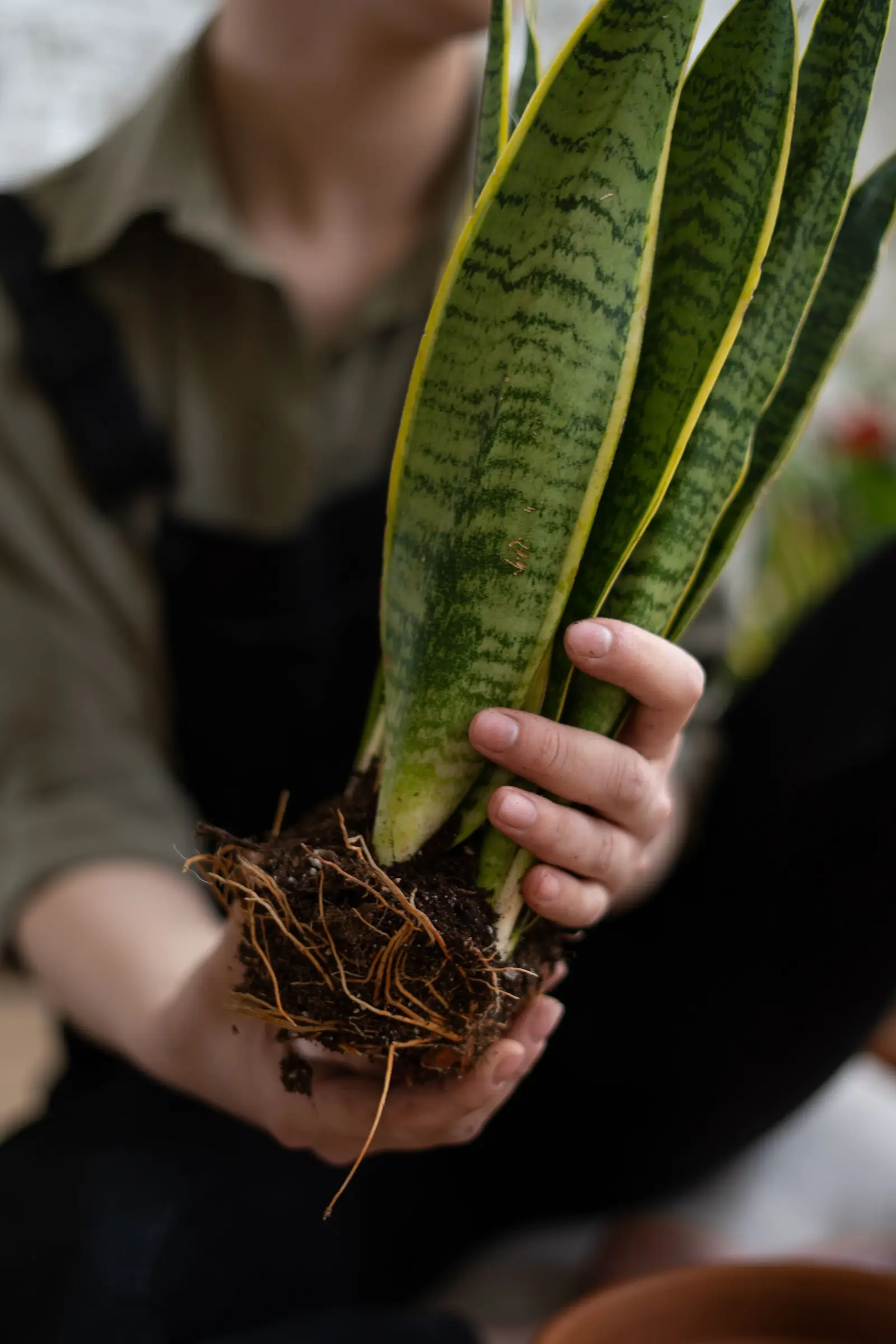 A snake plant lifted from its pot, a good moment to check the roots.
Your first month
- Week 1: Leave it alone. Don’t repot; let it adjust to your light.
- Week 2: Do the finger test every few days and water only on a dry result.
- Week 3: New growth is a good sign. Leaning toward the window? Turn the pot.
- Week 4: In spring or summer, give a half-strength feed. Skip feeding in winter.
Once a few plants are settled, try styling plants on shelves, or browse the plants hub for the next step.
A beginner plant starter kit
Skip the gadgets. These few basics solve most beginner plant problems.
-
Plastic nursery pots inside decorative cover potsStart here
Drainage for the plant, style for the room. The single best beginner habit.
-
All-purpose indoor potting mix + a bag of perlite
Mix a few handfuls of perlite in for plants that like to dry out, like snake plants and ZZ plants.
-
Watering can with a narrow spout
Water goes on the soil, not the leaves or the floor.
-
Liquid houseplant fertilizer
Half strength, once a month in spring and summer. That's all most plants need.
-
Moisture meter
Takes the guesswork out of 'is it time to water?' while you learn.
Frequently asked questions
What is the easiest indoor plant to keep alive?
Snake plant (Dracaena trifasciata), ZZ plant and cast iron plant are the usual answers because all three tolerate dim rooms and missed waterings. The snake plant and ZZ plant are most often killed by too much water, so let the soil dry out fully between drinks.
How often should I water easy houseplants?
Go by the soil, not the calendar. Push a finger into the top inch: for pothos, philodendron, spider plant and rubber plant, water when it feels dry. For snake plant, ZZ plant and aloe, wait until the pot is dry most of the way down. Water less in winter and in dim rooms, because the plant is using less.
Why do my houseplants keep dying?
In order of likelihood: overwatering or a pot with no drainage hole, too little light for that species, then pests. Slide the plant out of its pot. White, firm roots are healthy; brown, mushy roots mean rot and the soil needs to dry before the next drink.
Which easy houseplants are safe for cats and dogs?
The ASPCA lists spider plant (Chlorophytum comosum) and cast iron plant (Aspidistra elatior) as non-toxic to cats and dogs. Snake plant and monstera are on its toxic list. Check any plant in the ASPCA database before you buy, and call your vet or the ASPCA Animal Poison Control Center if a pet eats one.
Can I grow easy indoor plants in a room with no window?
No plant lives on room lighting alone for long. Even the toughest ones need some daylight or a grow light. A north-facing window or a bright corner is the minimum, and plants in dim spots grow slowly and need much less water.
Do I need to repot a new plant right away?
Usually not. Most nursery plants are fine in their pot for the first months. Repot when roots circle the inside of the pot or poke out of the drainage holes, and choose a pot one size up.
Sources
- Light requirements for houseplants (University of Minnesota Extension)— extension.umn.edu
- Care and selection of indoor plants (Mississippi State University Extension)— extension.msstate.edu
- How to water houseplants (University of Illinois Extension)— extension.illinois.edu
- I recently purchased a ZZ plant. How do I care for it? (Iowa State University Extension)— yardandgarden.extension.iastate.edu
- Snake Plant (ASPCA toxic and non-toxic plants)— aspca.org
- Toxic and non-toxic plants database (ASPCA)— aspca.org
First published
Photo credits
Thank you to Alexey Demidov, Joshua Mcknight, Chloe RIOT, cottonbro studio, Celal Metin, PARTY MALL, Nataliya Vaitkevich and Arthur Uzoagba for sharing these photographs.